

Some tactics for reflecting on personal and systemic privilege.
Privilege is passed down by systems, not individuals. The power in systems of privilege is that the privileges are invisible- for those benefiting. Below are a few strategies to consider.
There are many who balk at discussing systems of privilege, because:
"It's too divisive," some say.

The merry-go-round of 'happy diversity talk' in social and organizational change.
"The uneven distribution of responsibility for racial equality can be considered a mechanism for reproducing that inequality" - Sara Ahmed, critical feminist scholar in her 2012 book.
Tasking diversity, inclusion and equity offices with responding to racism, probably reproduces it.

The Happy Black Box of Diversity Work
Diversity shares similar etymological roots as “divert”. At the core of both words is ancient root: *wer: “to turn, bend”. When we use the word diversity, what might we be diverting? (Perceptions?)
Diversity is a ‘happy’ word; a smiling black box that colonizes all the tough words.
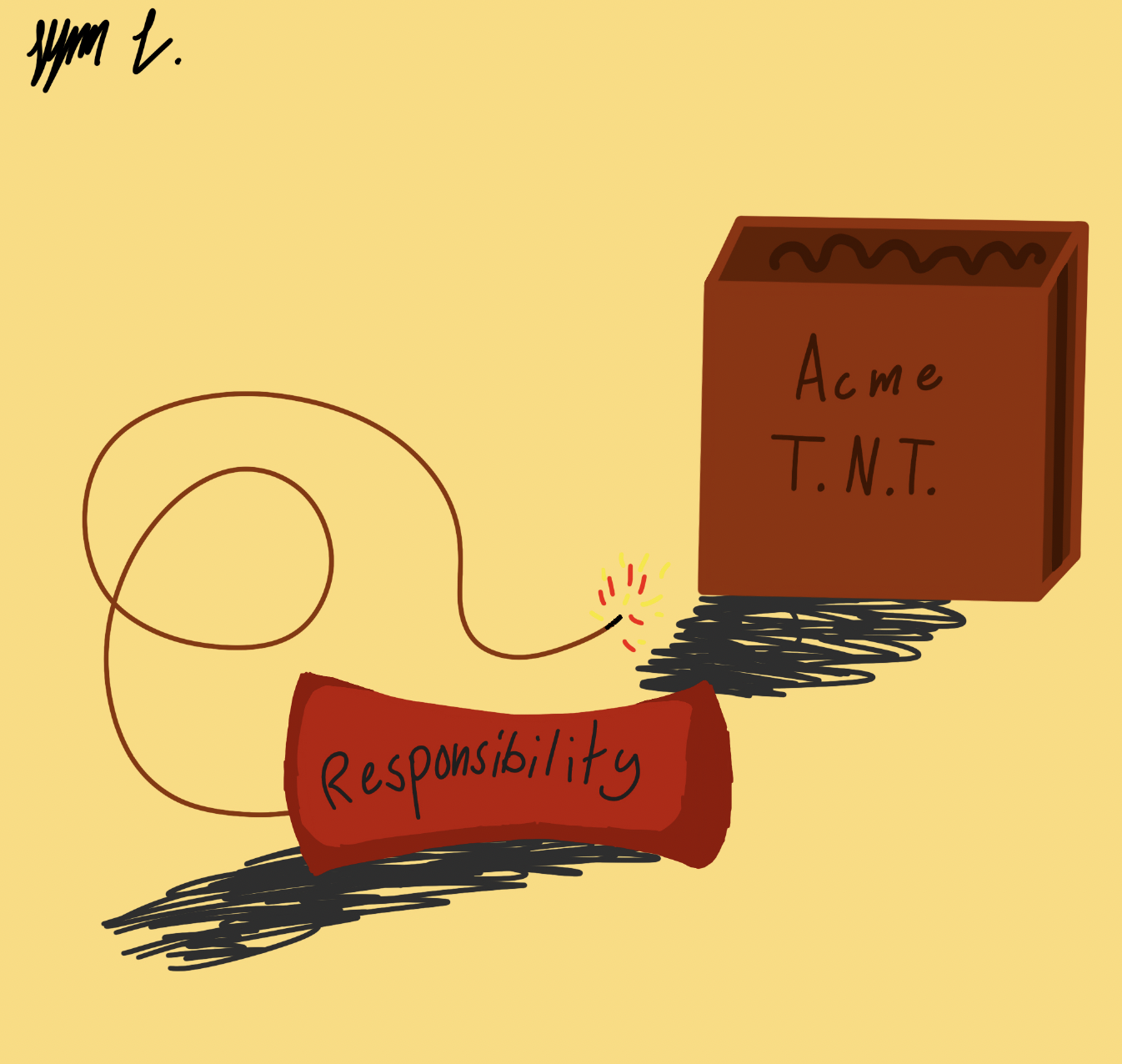
Where is 'Responsibility' in Training for Diversity, Inclusion and Equity?
The burden of responsibility to promote social justice (antiracism, equity, etc.) should fall more heavily on those who benefit most from their complicity - than those who benefit less.
This is a sentiment Bob Pease shares in his 2019 book “Facing Patriarchy: From a violent gender order to a culture of peace”. It's a sentiment shared by many; and, also not popular with many.